
04 · Calypsu (Co-founded)Jan 2020 - Jan 2025
Calypsu
Co-founded a product studio that shipped 50+ digital platforms over five years.
Co-founderProductStudio
Built the official website, application, and satellite tracker for the UAE's first Mars mission in 45 days. The platform held 200,000 concurrent users on launch night.
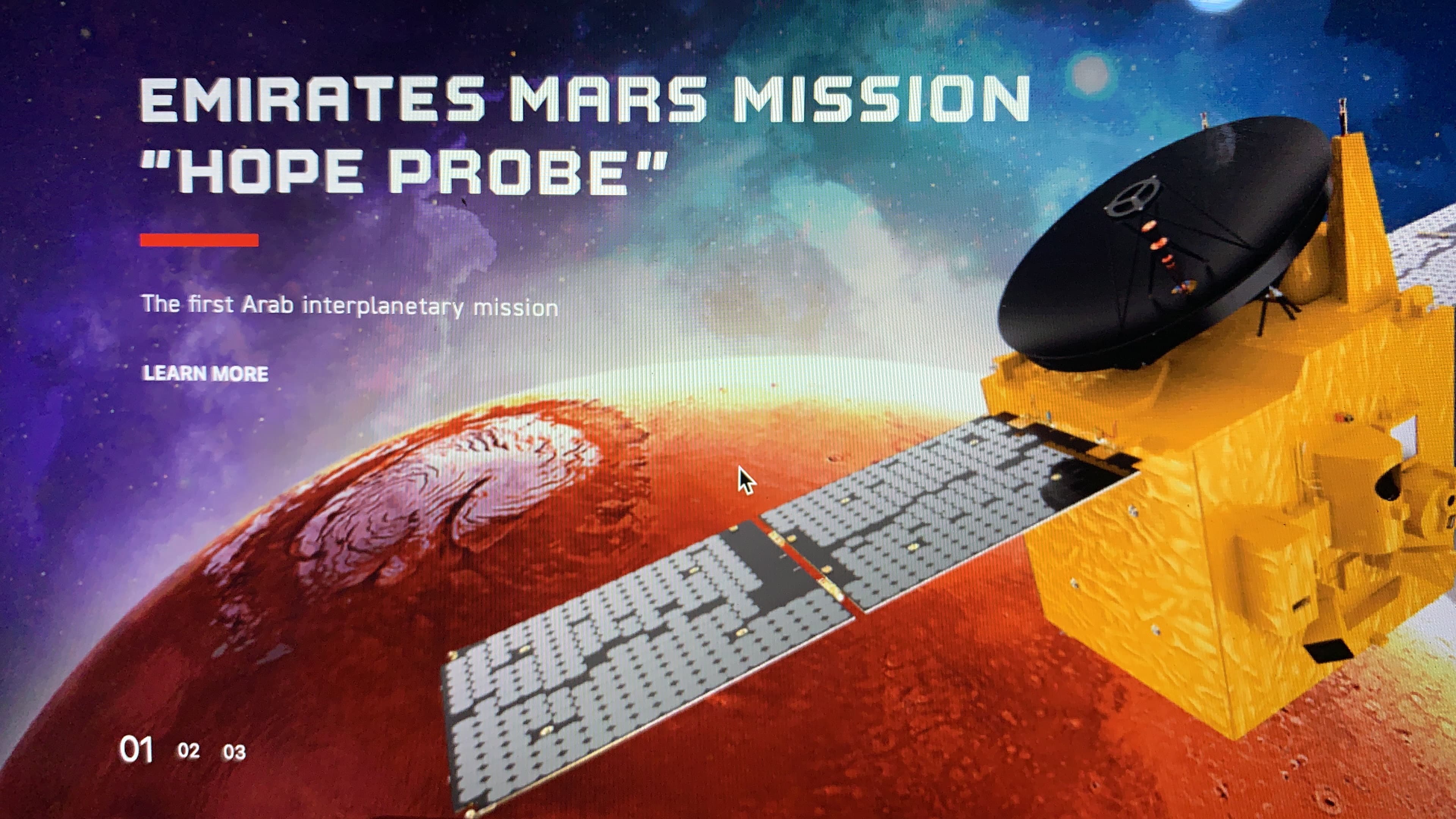
Client: Mohammed Bin Rashid Space Centre Year: 2020 Role: Frontend Development and Project Management
This wasn't just a project. It was a lifeline. And I knew I had to give it everything I had.
2020 hit hard. The first lockdown had just ended, and my agency was in a difficult place financially. Months of no income, salaries partly covered on credit. I had made the call to leave a part-time role a few months prior - and then the world locked down.
In that moment, a friend - Sumit Ghugharwal - came through. He was working on the technology proposal for the UAE's first Mars mission, and he handed me the website and app development work.
I said yes without hesitation.
The stakes were sky-high.
I knew how projects like this worked. The closer you get to launch, the more changes come in - branding refinements, content updates, last-minute requests from senior stakeholders. If I waited to have everything perfect before showing work, we would lose weeks of iteration time.
I delivered the first cut of the website in 10 days.
That early delivery gave us room. The client could react, we could adjust, and the pressure of the final weeks was manageable instead of catastrophic. Working 16-hour days was a choice I made deliberately - I understood the value of buying time early in the project.
Gatsby gave us the performance baseline we needed - fast loads, SEO-friendly rendering, and a structure that could handle multilingual content cleanly. Strapi handled the backend CMS, giving the client's team control over content without touching code. The mobile apps were built natively - Swift for iOS, Kotlin for Android - to make sure the experience was solid on both platforms.
The satellite tracker was built into the platform as a live reference tool. It ended up becoming the primary source that global media used to track the launch.
About three days before beta testing, the iOS developer told me a key feature was not feasible. We needed to display a 3D model of the satellite in VR on iOS. He had spent three days on it and couldn't make it work.
I went away and researched the problem myself.
Within the hour, I found the solution - displaying a 3D object on iOS was as simple as passing a URL to the native PDF viewer. I sat with the developer, shared the approach, and we had it working in under an hour.
The feature shipped.
Tech stack:
The first website iteration was live internally in 10 days. Full launch followed on schedule.
I came into this project under financial pressure and walked away with a piece of work I am genuinely proud of. Not because it was high-profile - though it was - but because of what it took to get there.
The lesson that stayed with me: move early, move fast, and do not wait for perfect conditions to start solving hard problems. The hour I spent researching the VR feature was worth more than three days of trying to work around it.
This project showed me what is possible when you commit completely.
Aanand Madhav is a Senior PM and UX Expert with 9 years of experience shipping products across fintech, ed-tech, ecommerce, and government sectors. He leads UX and development at YAMU Media and runs MediaMen Services.
Get in touch →Co-founded a product studio that shipped 50+ digital platforms over five years.

Full ownership - decision engine routing 1,000+ leads/day across 100+ integrations, a large-scale CRM in active build, and day-to-day UX execution across the whole operation.