
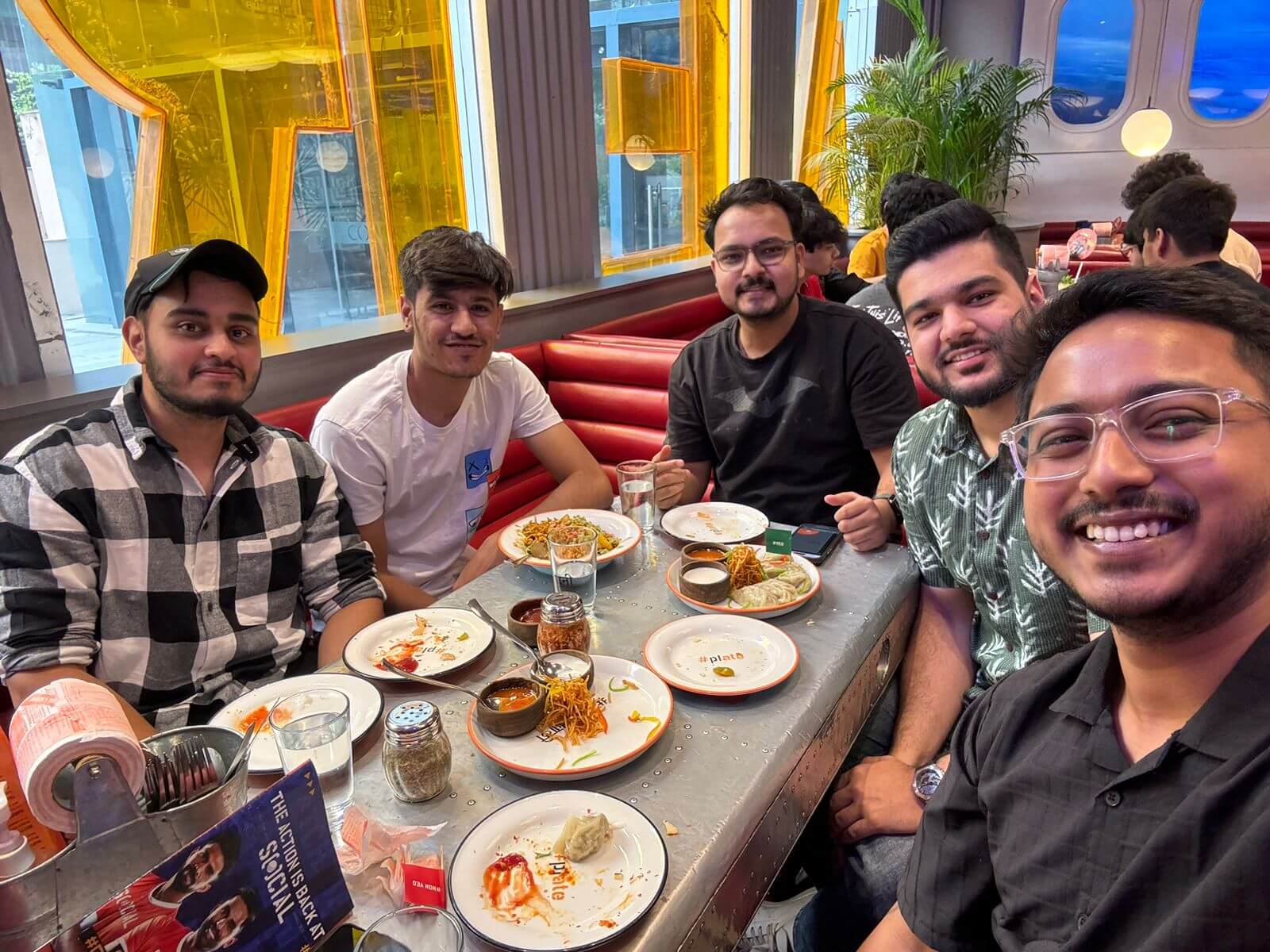
04 · Calypsu (Co-founded)Jan 2020 - Jan 2025
Calypsu
Co-founded a product studio that shipped 50+ digital platforms over five years.
Co-founderProductStudio
Scaled the technology behind a platform that took 300,000 learners to 1.5 million - and kept it stable throughout.
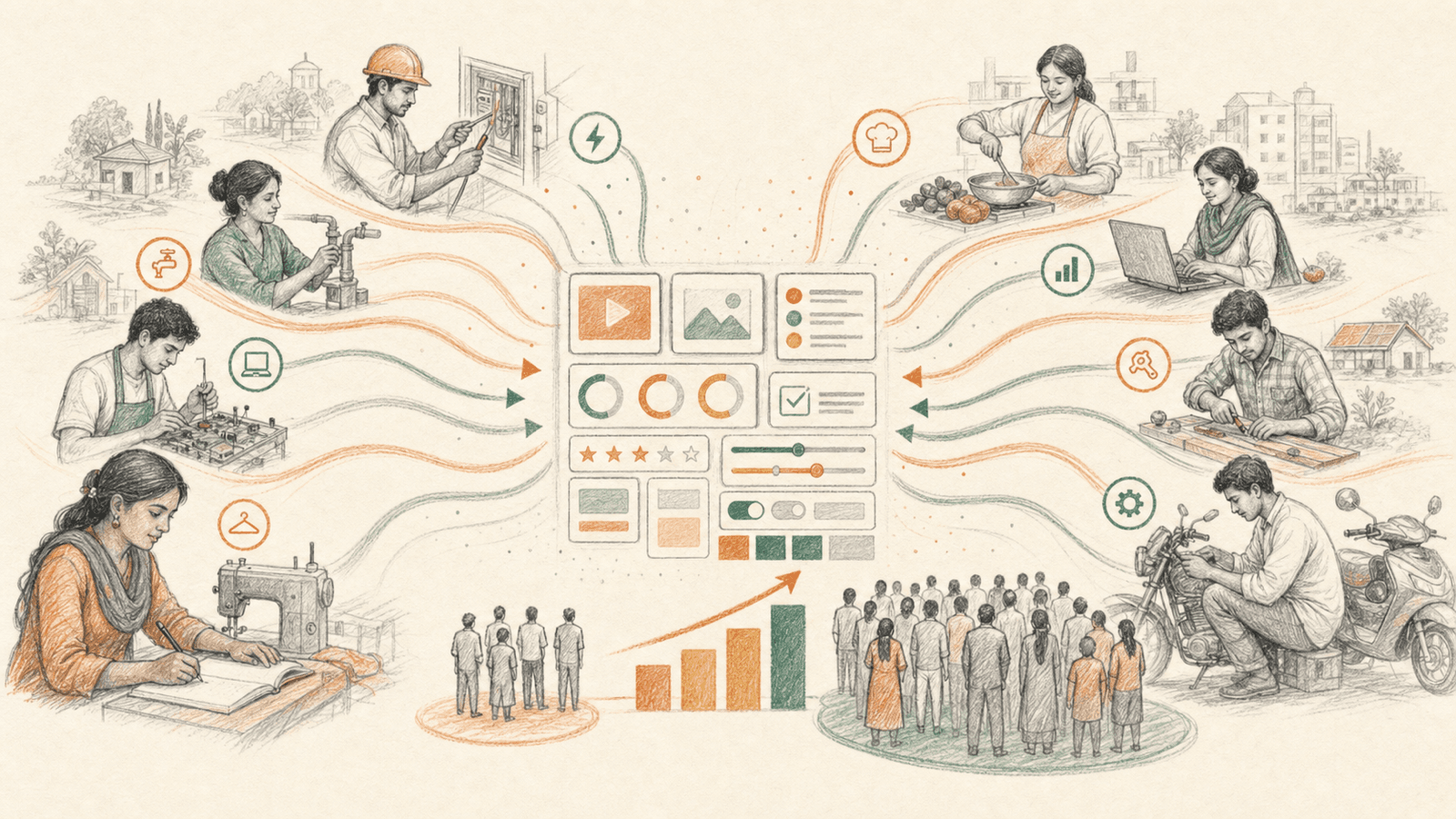
Client: Skillstrainer Years: 2021 - 2023 Role: UX Lead and Program Manager
1.5 million learners. That number did not happen by accident.
Skillstrainer is one of India's largest vocational skilling platforms - a platform designed to help people across the country build practical job-ready skills. When I came in, they were at 300,000 users and growing fast. The challenge was not the growth itself. The challenge was that the existing design and product infrastructure was not built to handle it. Without a serious rethink, the growth would break things.
Scaling a learning platform is not the same as scaling an e-commerce site or a SaaS dashboard. The users are diverse - different literacy levels, different devices, different comfort with technology. A design that works for an urban professional does not necessarily work for someone in a Tier 3 city completing a vocational course on their phone.
The key problems:
The first decision was to build a component library before touching any user-facing screens. It sounds counterintuitive when there is a growth problem to solve, but it was the right call. Without a shared component language, every fix creates new inconsistency.
I built the design system in Figma - a comprehensive set of components, patterns, and guidelines that the development team could implement once and reuse everywhere. Every element was documented, every state accounted for.
I spent time understanding how Skillstrainer's users actually interacted with the platform - not how the product team assumed they did. The gap was significant. Enrolment flows were optimised for users who already knew what they wanted. In practice, most users needed guidance to find the right course before they could commit.
Restructuring the discovery and enrolment journey around how users actually behaved reduced the friction at the critical conversion point.
One of the outcomes I was most focused on was making sure the work did not create dependency. I documented every decision, structured the design system to be extendable, and ran working sessions with the development team so they understood the architecture - not just the output.
Several of the developers I worked with during this project went on to join Skillstrainer directly. That says something about the quality of the team and the work environment we built together.
This project taught me the difference between designing for a product and designing for the people who will scale a product after you are gone. The design system was not just about consistency - it was infrastructure. The documentation was not busywork - it was the thing that made the work last.
Scale changes everything. What looks fine at 300,000 users can fall apart at a million. Building for that from the start is the only way to avoid a painful rebuild later.
Aanand Madhav is a Senior PM and UX Expert with 9 years of experience shipping products across fintech, ed-tech, ecommerce, and government sectors. He leads UX and development at YAMU Media and runs MediaMen Services.
Get in touch →Co-founded a product studio that shipped 50+ digital platforms over five years.
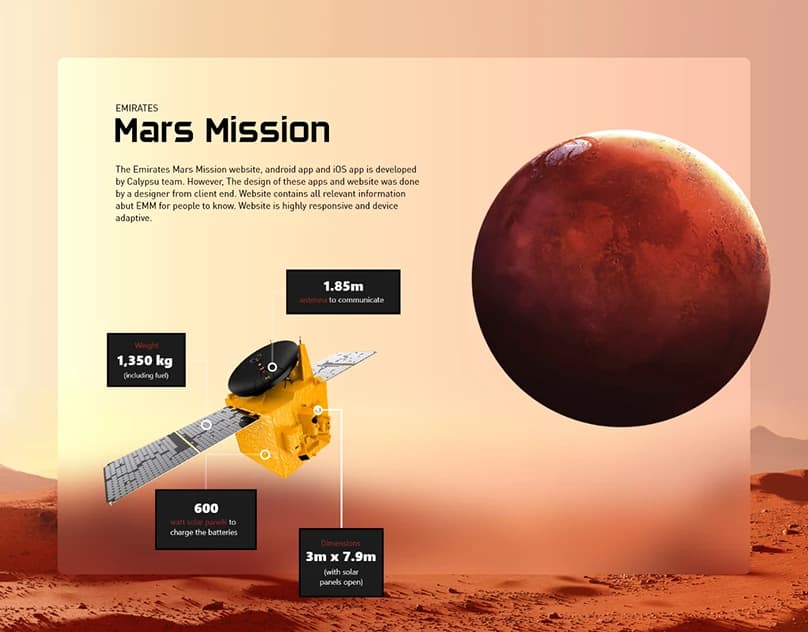
45 days. Website, iOS app, Android app, and a satellite tracker global media used as their reference. 200,000 concurrent users on launch night. Zero major issues.